
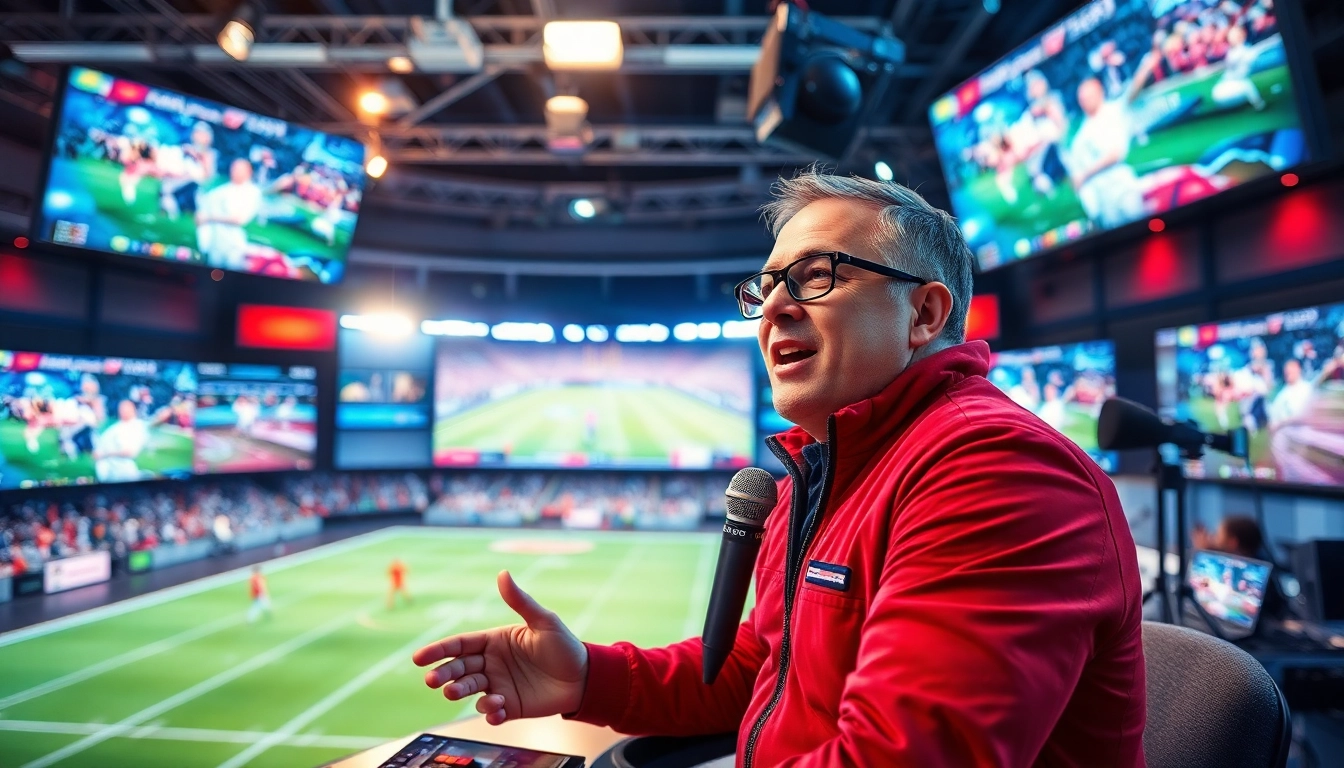
Understanding Sports Broadcasting
What is Sports Broadcasting?
Sports Broadcasting refers to the dissemination of live or recorded sports events to an audience via various media channels such as television, radio, or digital platforms. This activity plays a pivotal role in connecting sports events with fans across the world, enabling viewers to experience the excitement of sports regardless of their geographical location. Traditionally, local television stations covered major sports events, but the landscape has rapidly changed with the advent of global networks and online platforms. Today, anyone can engage with sports content in real-time or on-demand, underscoring the importance of Sports Broadcasting in the modern media ecosystem.
The Importance of Sports Broadcasting in Media
Sports Broadcasting serves more than just entertainment; it plays a critical role in media culture and economies. The ability to convey live sporting events fosters a sense of community among fans, transcending cultural and geographical boundaries. Moreover, sports broadcasting generates significant revenue through advertising, sponsorships, and subscription fees. Major sporting events such as the Olympics or the World Cup attract millions of viewers, making them prime opportunities for advertisers. Therefore, the importance of sports broadcasting extends into fostering brand loyalty and influencing viewer habits in an increasingly competitive landscape.
Key Players in Sports Broadcasting
The landscape of sports broadcasting is populated with various key players who contribute to its comprehensive ecosystem. This includes:
- Television Networks: Traditional broadcasters like ESPN or NBC that secure rights to air major sporting events.
- Streaming Platforms: Digital services like Amazon Prime or ESPN+ that are redefine how content is delivered and consumed.
- Sports Leagues: Organizations like the NFL, NBA, and FIFA that negotiate broadcasting rights for their events, creating lucrative contracts with networks.
- Advertisers: Brands that utilize sports broadcasting for target audience engagement through commercials during live events.
Technologies Shaping Sports Broadcasting
Emerging Technologies in Sports Broadcasting
The sports broadcasting industry is continuously being transformed by emerging technologies that enhance viewer experience and engagement. Innovations such as high-definition (HD) and 4K video provide clearer images, improving the visual experience for home viewers. Additionally, audio advancements like surround sound create a more immersive experience. Robotics has also found its place in broadcasting, offering unique angles and seamless camera movements that keep viewers engaged.
The Role of Streaming Platforms in Sports Broadcasting
Streaming platforms are revolutionizing the traditional sports broadcasting model. They allow consumers to watch events on-demand, providing flexibility that traditional television does not offer. These platforms often create tailored packages for specific sports, allowing fans to subscribe only to the content they are interested in. Coupled with data analytics, streaming services can provide personalized recommendations, leading to a better user experience and increased viewer retention.
Virtual Reality and Augmented Reality in Sports Broadcasting
Virtual Reality (VR) and Augmented Reality (AR) technologies are providing fans with unprecedented access to sports events. VR allows users to attend live games from their homes through immersive environments, while AR can enhance live broadcasts with supplementary information such as player statistics or on-screen graphics. These technologies not only revolutionize how fans experience games but also open new revenue streams for broadcasters through ticket sales and specialized content offerings.
Best Practices for Effective Sports Broadcasting
Creating Engaging Content in Sports Broadcasting
Engaging content is essential for retaining viewer interest in sports broadcasting. This can be achieved through a variety of means including storytelling, pre-game analysis, and post-game interviews. By crafting narratives around teams, players, and significant events, broadcasters can create emotional connections with their audience. Also, incorporating fan interactions, such as social media posts or live polls during broadcasts, fosters a sense of involvement and community, making the viewing experience more enriching.
The Significance of Clear Commentary in Sports Broadcasting
Commentary is the lifeblood of sports broadcasting, guiding viewers through the event and providing critical insights. Effective commentators must blend expertise with entertainment to keep audiences engaged. This means using clear language, knowing when to add humor, and understanding the flow of the game to provide timely commentary. Additionally, an effective commentator should be aware of the diverse audience and adjust their language and analysis accordingly, making Game Day an inclusive experience.
Utilizing Social Media for Sports Broadcasting
Social media platforms are powerful tools for engaging sports audiences before, during, and after events. Broadcasters can use platforms like Twitter and Instagram to build anticipation, share highlights, and interact with fans. Real-time updates and behind-the-scenes content can significantly enhance a spectator's experience, turning passive viewers into active participants. Ultimately, social media can drive viewership and create a community around sports events, significantly benefiting broadcasters.
Challenges in the Sports Broadcasting Landscape
Adapting to Changing Viewer Preferences in Sports Broadcasting
As viewer habits shift, sports broadcasters must adapt to new preferences for content delivery. Audiences now crave more interactive and personalized experiences. The rise of mobile streaming and social media suggests that audiences prefer engaging in real-time discussion over merely consuming the content passively. It’s crucial for broadcasters to stay ahead of trends and integrate features that cater to these evolving expectations to remain relevant in a fast-paced media environment.
Legal Issues and Regulations in Sports Broadcasting
Legal considerations pose significant challenges for sports broadcasters. Licensing agreements to air specific events are often complex and require negotiation with multiple parties. Moreover, content use rights, image rights, and intellectual property issues can complicate broadcasting strategies. Navigating these legal landscapes necessitates careful planning and a strong legal understanding to mitigate potential pitfalls that could have financial repercussions.
Addressing Competition in Sports Broadcasting
The sports broadcasting market is increasingly saturated, with numerous platforms vying for viewer attention. To succeed, broadcasters must differentiate themselves through unique content offerings, exclusive interviews, or innovative presentation styles. Strategic collaborations can also transform a broadcaster's visibility. Emphasizing unique selling points like high-quality production, comprehensive coverage, or enhanced interactivity can help organizations stand out amidst fierce competition.
The Future of Sports Broadcasting
Innovations to Watch in Sports Broadcasting
Looking forward, several innovations are set to reshape the sports broadcasting landscape. Advanced data analytics will enable broadcasters to offer deeper insights and personalized experiences based on audience preferences. Blockchain technology may streamline content licensing and rights management, reinforcing trust within the industry. Additionally, AI-driven personalization will enhance the viewing experience by customizing content according to individual viewer profiles.
Predictions for the Next Decade in Sports Broadcasting
In the next decade, sports broadcasting is expected to integrate more with emerging technologies. The line between content creation and consumption will blur as viewers become also content creators through their interactions. Hyper-personalized streaming services driven by advanced algorithms are likely to dominate, leading to further fragmentation of traditional broadcasting models. Moreover, the incorporation of more immersive experiences will redefine how fans engage with their favorite sports.
How Brands Can Prepare for the Future of Sports Broadcasting
Brands aiming to thrive in the evolving landscape of sports broadcasting must embrace change and innovation. This involves leveraging data to understand viewer preferences and create targeted marketing strategies. Additionally, investing in technology to improve viewer engagement and adopting multi-platform strategies will be essential. Brands should focus on building strong partnerships with broadcasters and leveraging sponsored content to maintain visibility within the sports ecosystem.
Frequently Asked Questions
What is the impact of streaming on traditional sports broadcasting?
Streaming has revolutionized how fans access content, often offering more flexibility, personalized experiences, and on-demand options that traditional broadcasting cannot match.
How can broadcasters enhance fan engagement?
Broadcasters can enhance fan engagement through interactive content, real-time social media integration, and immersive technologies like AR and VR to create a more participatory experience.
What are the biggest challenges facing sports broadcasters today?
Some challenges include adapting to changing viewer preferences, navigating complex legal issues, and addressing increased competition from various media platforms.
How is technology shaping the future of sports broadcasting?
Technology enhances the viewer experience through advanced analytics, immersive experiences via VR/AR, and improvements in streaming quality and accessibility.
What strategies can brands adopt to succeed in sports broadcasting?
Brands should focus on understanding viewer data, investing in innovative technologies, creating meaningful partnerships, and maintaining a robust social media presence to engage audiences effectively.